Brotherhood as Constitution: How Black Donnellys Invented Its Own Rules for the Crime Drama
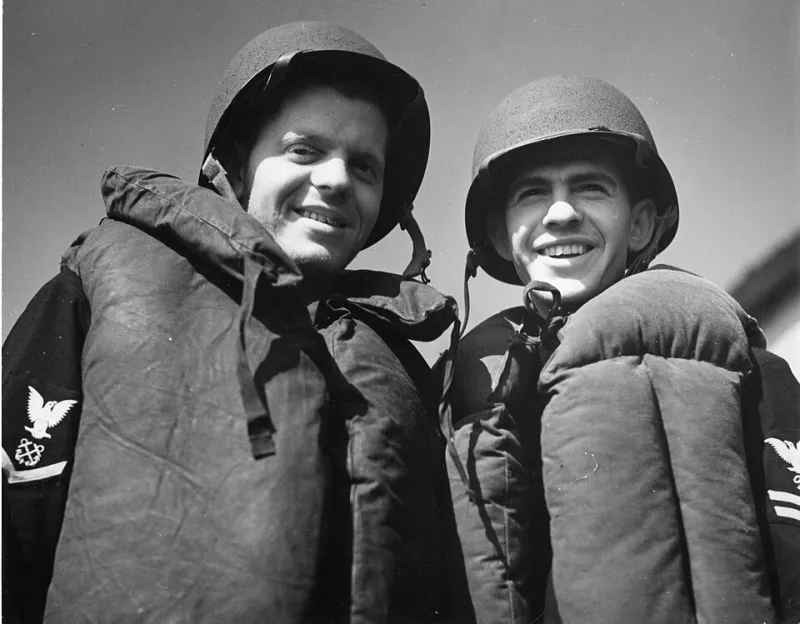
Photo: Signal Corps Archive from Ireland and United States, Public domain, via Wikimedia Commons
There's a formula baked into almost every American crime drama, and it goes something like this: a man gets pulled into a dangerous world, and the family he's trying to protect becomes the thing most likely to destroy him. You saw it in The Sopranos. You saw it in The Wire. You definitely saw it in every Godfather sequel. Family is the soft spot. Family is the vulnerability. Family is what the bad guys threaten when they want leverage.
Black Donnellys looked at that formula and basically said: what if we threw it out entirely?
What the show built in its place wasn't just a different kind of crime story — it was a genuinely different operating system for how a crime drama could function. And even though NBC pulled the plug before the series ever got the chance to fully mature, what it left behind is a blueprint that still feels fresh compared to most of what's on television right now.
The Old Model, and Why It Gets Stale
In the classic mob narrative, the family unit exists slightly outside the criminal world. Tony Soprano's kids go to school. His wife shops at the mall. The audience understands that Tony's violence and his suburban life are supposed to be in tension — that's the whole dramatic engine. The crime is what he does; the family is who he is.
Even in grittier, less glamorized takes on organized crime, the structure holds. The protagonist has a world, and then he has the life, and those two things are always pulling in opposite directions.
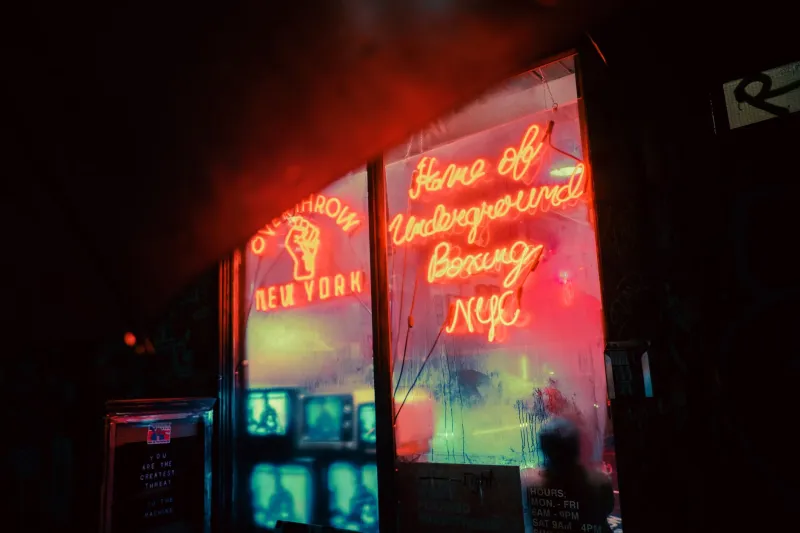
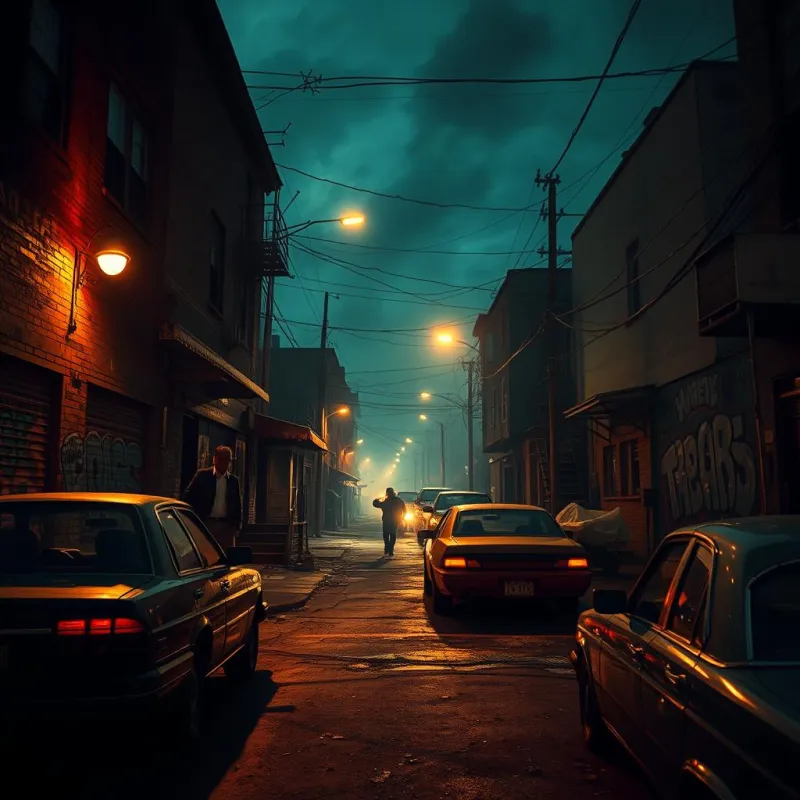
Black Donnellys collapsed that distance completely. Tommy, Jimmy, Kevin, and Sean weren't protecting a family from the streets — they were the streets, and the streets were them. Hell's Kitchen wasn't a backdrop they moved through. It was the actual substance of their identity. You couldn't separate the brothers from the neighborhood any more than you could separate the neighborhood from its own history.
That's not a small distinction. It's the entire ballgame.
Bloodline as Bylaws
What the show essentially did was turn the Donnelly brotherhood into a governing document. The rules weren't handed down by a boss in a back room or enforced by some crime family hierarchy. They were implicit, inherited, and absolute — and they ran entirely on loyalty to each other.
Think about how differently conflict functions in Black Donnellys compared to something like The Sopranos or even Boardwalk Empire. In those shows, betrayal typically comes from outside the protagonist's inner circle — a rival faction, a greedy associate, a fed flipping someone. The drama is about threats penetrating inward.
In Black Donnellys, the most devastating tensions were almost always internal — brother against brother, love against obligation, the pull of wanting something better against the gravity of what you already owe. The external threats (the Irish mob, the Italians, the cops) were almost secondary. They were pressure applied to a structure that was already under enormous strain from within.
That's a fundamentally more interesting dramatic setup, because it means there's no safe space in the story. You can't root for the brothers to beat the bad guys and then relax — the bad guys, in a sense, are also the brothers. The conflict is constitutional. It's built into the foundation.
Joey Ice Cream and the Genius of the Outside Narrator
One of the most underrated structural choices the show made was filtering the whole story through Joey Ice Cream — an outsider who was close enough to the Donnellys to witness everything but not close enough to be bound by the same code.
That narrative device did something really smart. It acknowledged that the Donnelly code wasn't universal — that it was specific, tribal, almost incomprehensible to people who hadn't grown up inside it. Joey's narration constantly carried this undercurrent of awe and bewilderment, like he was describing a foreign culture's rituals to an anthropology class.
Which, in a way, he was. And the audience was the class.
By positioning viewers as outsiders looking in, the show avoided one of the biggest pitfalls of crime dramas: accidentally making the criminal lifestyle look aspirational. You weren't supposed to want to be a Donnelly. You were supposed to be fascinated by what it meant to be one — by the specific weight of that loyalty, those obligations, that code.
What Contemporary Crime Shows Borrowed (Consciously or Not)
It's worth noting how many prestige crime dramas that came after Black Donnellys leaned into similar ideas — even if they probably didn't cite the show as an influence.
The emphasis on brotherhood as the central moral axis, rather than a protagonist's individual ambition? You see echoes of that in Ozark, where the Byrde family unit becomes increasingly the only thing any of them are actually loyal to. You see it in Tulsa King and in Succession (which isn't technically a crime show but operates on almost identical emotional mechanics — the institution is the family, and the family is the institution).
The idea that the criminal code and the family code are the same code? That's everywhere now. But Black Donnellys was doing it in 2007, in a network TV slot, with a cast of relative unknowns and a setting — Hell's Kitchen in transition — that gave the whole thing a specificity most crime dramas deliberately avoid.
Why the Playbook Still Matters
Here's the thing about Black Donnellys that gets lost in conversations about its cancellation and its cult status: the show wasn't just emotionally compelling. It was structurally innovative in ways that the crime drama genre genuinely needed.
By making brotherhood the law rather than a thing the law threatens, the show created a moral universe where there were no clean exits and no uncomplicated heroes. Every act of loyalty was also an act of destruction. Every time Tommy protected one of his brothers, he locked them all in a little tighter. The love was real, and the love was a trap, and those two things were completely inseparable.
That's not a formula. That's a worldview. And it's one that the best crime storytelling — on TV, in film, wherever — keeps circling back to, because it reflects something genuinely true about how loyalty and violence and identity actually work in the real world.
Black Donnellys just happened to figure that out before most other shows caught up.